Brussels
About this Place
Brussels is the capital of Belgium and the heart of the Brussels-Capital Region. French and Dutch are the official languages, but English is spoken widely.
It is made up of nineteen communes, but those administrative boundaries are not necessarily the most useful way to explore the city. We have highlighted particular communes, neighbourhoods and districts that either have a strong connection with Brussels brewing or offer something worthwhile to the beer-minded visitor. Some, such as Anderlecht, have substantial brewery stories of their own; others are included because they help explain the character and experience of drinking, eating and exploring the city.
Brussels' beer culture is a varied combination of deep, often historic, roots with an energetic modern bar and brewery scene. Lambic and gueuze form an essential part of its heritage. A new generation of breweries, taprooms and specialist cafés has also spread across the capital, bringing experimentation and community-led brewing alongside those older traditions.
Visitor notes
The centre of Brussels is best explored on foot or by bike. It is surprisingly compact in comparison to some other European capitals. The excellent public transport system (metro, trams and buses) makes it straightforward to reach breweries, cafés and museums in the surrounding neighbourhoods.
Anderlecht
Lambic heritage at Cantillon and modern brewing along the canal.
About this area
Anderlecht has an unusually rich place in Brussels brewing.
Brasserie Cantillon has brewed lambic and gueuze here since 1900, preserving one of the capital’s most distinctive brewing traditions.
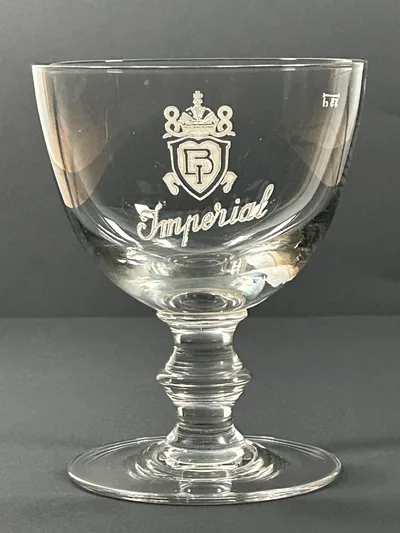
The commune was also home to Brasserie Impérial, part of Brussels’ former industrial brewing landscape.
Today, a very different strand of beer culture can be found beside the canal at Brussels Beer Project’s Port Sud: a modern production brewery and beer garden created within that same industrial setting.
Plan your visit
Official brewery website
Brewery tours
Tourism information
Danseart and Sainte-Catherine
Modern Brussels brewing, lively bars and café culture around Dansaert and Sainte-Catherine.
About this area
Dansaert and Sainte-Catherine are among the most lively parts of central Brussels for bars, cafés and contemporary beer culture.
Brussels Beer Project established its original city brewery and taproom on Rue Antoine Dansaert, helping make the area a focal point for the capital’s modern brewing revival.
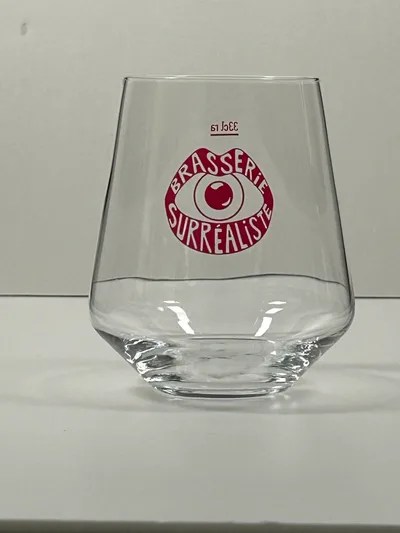
Nearby, Brasserie Surréaliste adds another distinctive contemporary brewery and taproom to a neighbourhood already known for its youthful, sociable atmosphere.
Plan your visit
Official brewery website
Tourism information
Forest/Vosrt
Industrial brewing heritage and the surviving home of Wiel’s.
About this area
Forest was once home to one of Brussels’ great industrial breweries.
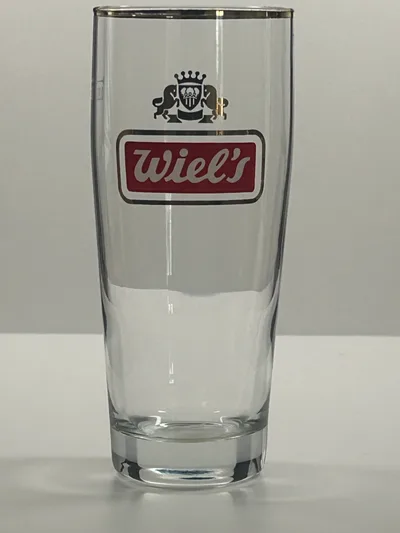
Brasserie Wielemans-Ceuppens grew into a major producer and helped make the city an important centre for pils and lager brewing. Its striking 1930 brewhouse, designed by Adrien Blomme, survives today as WIELS, the contemporary art centre whose name preserves that of the Wiel’s beer once brewed here. The original brewing hall and its great copper vessels remain inside the building, making this one of the most tangible surviving reminders of Brussels’ large-scale brewing past.
Brewery: Brasserie Wielemans-Ceuppens
Plan your visit
Tourism information
Other visitor resource
Molenbeek and the historic canal
Belle-Vue, lambic heritage and Brussels’ industrial canal landscape.
About this area
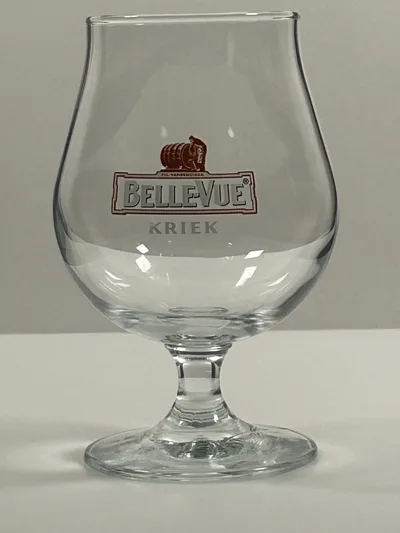
Molenbeek’s brewing story is closely tied to the canal and to Belle-Vue, one of the best-known names in Brussels lambic and fruit beer.
The former Belle-Vue brewery buildings still stand on Quai du Hainaut, their large brick façades preserving visible traces of the site’s industrial past. Although brewing has long since ceased here, the surviving complex is a striking reminder of the period when beer production formed part of the working landscape along the Brussels canal.

Plan your visit
Tourism information
Saint-Gilles
Specialist beer cafés and one of Brussels’ liveliest neighbourhood drinking scenes.
About this area
Saint-Gilles is one of Brussels’ most animated neighbourhoods for cafés, bars and informal drinking culture.
It is home to the original Moeder Lambic, opened on Rue de Savoie in 2006 and known for its carefully chosen Belgian beers, particularly lambic and gueuze.
Around the Parvis de Saint-Gilles, busy terraces, traditional cafés and newer bars give the commune a strong local character and make it an easy place to explore Brussels beer culture without following a formal brewery trail.
Brewery: Moeder Lambic
Plan your visit
Official brewery website
Tourism information
Tour & Taxis and the northern canal
Brasserie de la Senne and the renewal of brewing beside the northern canal.
About this area
Tour & Taxis and the northern canal have become an important part of Brussels’ modern brewing landscape.
Brasserie de la Senne, one of the breweries most closely associated with the city’s contemporary beer revival, now brews at Tour & Taxis in a purpose-built site that combines production with a taproom and visitor experience. Its presence fits neatly into an area where former industrial spaces have been given new cultural and social uses, while keeping brewing visibly rooted in Brussels itself.
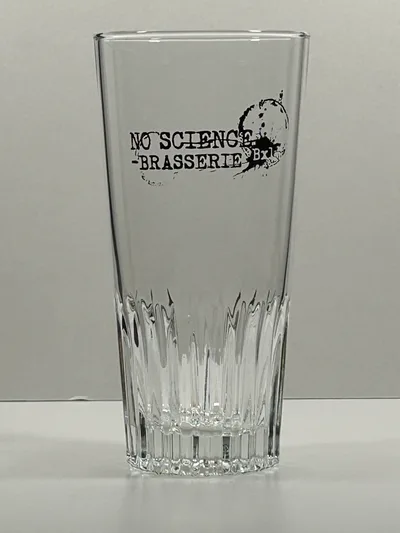
Brewery: Brasserie No Science
Plan your visit
Official brewery website
Tourism information
City Centre: Grand-Place, Bourse and the surrounding streets
Historic beer cafés, Belgian Beer World and the heart of Brussels’ visitor scene.
About this area
The historic centre around Grand-Place and the Bourse is where many visitors first encounter Brussels beer culture.
Belgian Beer World provides an introduction to the country’s brewing traditions, while the surrounding streets contain some of the city’s best-known beer cafés and bars.
Delirium Café, famous for its enormous beer selection and lively atmosphere, is one of Brussels’ major beer destinations and can be a useful introduction for visitors wanting to sample a very broad range of Belgian beers in one place.
Moeder Lambic Fontainas, just to the south of the historic core, offers a more specialist approach.
Brewery: Moeder Lambic
Plan your visit
Official brewery website
Tourism information
Walking and outdoors
Places of interest
Ixelles and the southern inner city
South and east of the historic centre, beer culture through specialist shops, bars and neighbourhood institutions.
About this area
Long-established Beer Mania (Chaussée de Wavre 174-176, 1050 Ixelles) is part bottle shop, part bar, and home to its own Mea Culpa beer and striking bespoke glassware.
Malting Pot (Rue Scarron 50, 1050 Ixelles) is a specialist Belgian and international craft beer shop.
L'Amère à Boire (8, Rue du Belvédère, 1050 Brussels), and La Diligence (Rue du Belvédère 10, 1050 Ixelles) represent strong local institutions offering a range of craft Belgian beers.
Beers Bank (34 Place Jourdan - 1040 Etterbeek), claims to offer nearly 200 different beers on tap and in bottles - whatever the precise number, you'll not be stuck for choice! Place Jourdan is an interesting square just beyond the European Quarter with a number of cafes and bars and the renowned Maison Antoine selling frite and more that can be bought and then taken to eat at any of the surrounding bars and cafes.
Brussels Beer Project has another of their bars in Balli, which is popular and lively.
Plan your visit
Watermael-Boitsfort and the Sonian fringe
Modern hospitality, distinctive venues and beer culture on Brussels’ wooded south-eastern edge.
About this area
Watermael-Boitsfort and the south-east sits on Brussels’ greener edge, where the city meets the Sonian Forest. One of its more unusual contemporary hospitality landmarks is FOX Food Market, which occupies the ground floor and terrace of the former Royale Belge headquarters on Boulevard du Souverain. The striking cross-shaped building, designed by René Stapels and Pierre Dufau and inaugurated in 1970, was later repurposed as a mixed-use destination, with FOX bringing food, drink and modern Brussels social culture into a landmark of post-war architecture.
For the Museum, FOX is a reminder that Brussels beer culture is found not only in breweries and specialist cafés, but also in the city’s newer shared drinking and dining spaces.